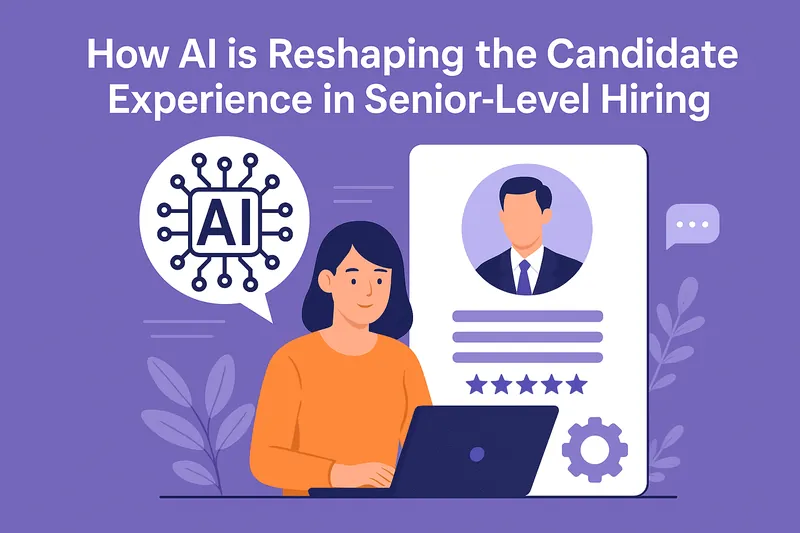
AI improves the candidate experience in senior hiring in three ways. It reaches senior people privately through channels they actually check, instead of cold calls. It keeps their identity hidden until they choose to engage. And it removes repetitive screening calls, so conversations with the company are substantive. For VP, Director and CXO candidates, who are usually employed and protective of their reputation, that difference often decides whether they engage at all.
This guide covers why senior hiring is different, the recurring problems, how to choose a recruitment partner, how AI ranking works, and what changes for the candidate. For private hiring specifically, see anonymous hiring.
Why does senior-level hiring look different?
The pool is small, mostly passive and careful about time and reputation. A direct approach that would be fine for a junior role can feel intrusive to a senior one. Three things set it apart: candidates aren't looking, confidentiality matters on both sides, and a wrong leadership hire is expensive.
What goes wrong in senior hiring?
Reaching people who aren't job-hunting
Strong senior candidates are employed and don't browse job boards. They have to be found and approached.
Protecting confidentiality
A candidate exploring a move doesn't want their employer to find out early. A company replacing a leader in confidence doesn't want the search known either.
Screening for fit, not keywords
A matching title and tenure don't show whether someone can run a large team through a hard quarter. Depth of experience, scope and CTC fit matter more.
Notice periods and counter-offers
Sixty to ninety-day notice periods are common, and senior people are prime counter-offer targets. A slow process gives the current employer time to act.
Repetitive, slow processes
Multiple screening calls that ask the same questions frustrate senior candidates more than anything else. Every extra week risks losing them.
How should you choose a recruitment partner for senior hiring?
| Model | Strength | Trade-off |
| Retained search firm | Deep relationships for C-suite searches | Higher cost, longer timelines, little visibility into how candidates were chosen |
| General job portal | Large applicant volume | Mostly active job-seekers; weak passive reach |
| AI hiring platform | Speed, passive reach, visible ranking | A newer model with less legacy brand recognition |
Ask each partner how much of their pool is passive, whether you can see why candidates were ranked, how they protect confidentiality, and how they charge. For startups, a flat fee per role is usually easier to plan than a percentage of the new hire's CTC.
How does AI candidate ranking work?
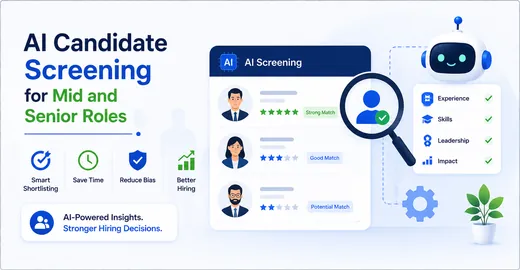
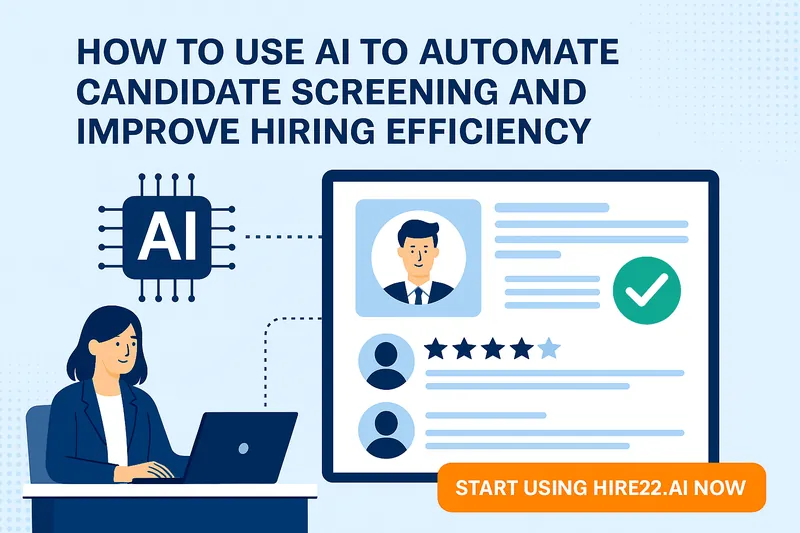
On Hire22, you post a role as a JobCoNCT, and SARA, our AI recruiter, coordinates the search. Hunter AI searches the Hire22 database and the open web, passive candidates included. CoNCT AI contacts them by SMS, WhatsApp, email and AI voice calls and confirms interest. JoinX AI ranks those interested on 200+ parameters, including CTC fit, notice period and intent to join.
Automation can't fix a poor process. If interviews are slow or the CTC range keeps moving, candidates will still have a bad experience.
Employers typically see a ranked shortlist within 22 hours. AI sources, screens and ranks; your team interviews and decides.
What changes for the candidate?
- Privacy. The candidate's name, phone, email and resume stay hidden from the employer until they accept the JobCoNCT. No public profile, no employer knowing they looked.
- Better channels. Outreach comes by SMS, WhatsApp, email or a short AI voice call about a specific role, not a cold call from an unknown number.
- A simple response. New candidates apply through the link; registered users accept with one click.
- Fewer repetitive calls. Basic fit and interest are checked upfront, so later conversations with the company go deeper.
- Free, always. Candidates never pay.
Employers can also choose to hide their company name, in which case candidates see an alias until the employer decides to reveal it. Candidate data is handled under the Digital Personal Data Protection Act, 2023.
Consider how this feels from the other side, with a simple illustration. A Director at a listed company gets a WhatsApp message about one specific role, with the scope and pay band stated. No name is shared. No recruiter calls her office. She can say yes or no in one tap, in her own time. That is a very different first impression from a cold call.
What should employers do to protect the candidate experience?
- Write a specific brief, so outreach is relevant.
- Respond within a day or two at every stage.
- Run three structured rounds rather than five loose ones. The Schmidt and Hunter meta-analysis shows structured interviews predict performance better too.
- Share feedback, including when the answer is no.
- Keep in touch through the notice period.
Related reading: keeping a leadership replacement search confidential and CXO hiring in India.
Frequently Asked Questions
Do senior candidates mind being approached by AI?
Not when the role is relevant, the message is specific and their identity is protected. What puts them off is irrelevant mass outreach and repetitive calls.
How is candidate privacy protected?
On Hire22, candidates' names, contact details and resumes stay hidden from employers until the candidate accepts the role invitation.
What frustrates senior candidates most?
Slow feedback, repeated screening calls that ask the same questions, and roles that turn out to be very different from what was described.
Does AI replace the human conversation?
No. AI handles first contact and checks. The conversations about the role, the team and the offer are with people.
Is Hire22 free for candidates?
Yes, always. Candidates never pay to receive or accept a JobCoNCT; employers pay for their job postings.